How Blood Demon Arts work, Muzan's blood granting unique abilities to demons, and the mechanics behind demon powers.
Category: Blood Demon Arts
Blood Demon Arts are supernatural abilities wielded by demons in the world of Demon Slayer. These powers manifest after a human transforms into a demon through Muzan Kibutsuji's blood, with each demon developing a unique ability that reflects their personality, desires, and deepest instincts. Unlike the structured breathing techniques used by the Demon Slayer Corps, Blood Demon Arts are highly individualized.
The range of Blood Demon Arts is extraordinarily broad, encompassing elemental manipulation, biological alteration, spatial distortion, and psychological influence. The power and sophistication of a Blood Demon Art typically correlate with the demon's rank within the Twelve Kizuki.
Blood Demon Arts are the unique supernatural abilities that demons develop after their transformation from humans. Each demon ability is distinct, reflecting aspects of their human personality, obsessions, or circumstances surrounding their conversion. This individuality makes every demon encounter a unique tactical challenge.
The power of a Blood Demon Art is directly correlated with the demon consumption of human flesh. Demons who consume more humans and especially more powerful humans develop stronger abilities. This creates a natural hierarchy where older demons who have fed extensively possess the most formidable techniques.
Blood Demon Arts are not static; they can evolve and grow stronger over time. Demons who survive battles and continue to develop their abilities often discover new applications and variations of their core techniques, becoming more dangerous with each passing century.
The relationship between a demon and their Blood Demon Art is deeply personal, often reflecting their deepest psychological traits. This connection means that the art is not just a weapon but an expression of the demon essential nature, making it both powerful and potentially predictable to observant opponents.
Blood Demon Arts originate from Muzan Kibutsuji's own supernatural biology. When Muzan transforms a human into a demon, the recipient's body undergoes a radical metamorphosis that can unlock latent supernatural abilities influenced by personality, obsessions, and deepest desires.
The development of a Blood Demon Art can take decades. Newly turned demons often have crude, uncontrolled abilities that grow more refined over time. Upper Rank demons have spent centuries perfecting their arts, developing multiple forms that rival the sophistication of Demon Slayer breathing styles.
The origin of Blood Demon Arts traces back to Muzan Kibutsuji own transformation into the first demon. As the progenitor of all demons, Muzan blood carries the template for supernatural abilities that are passed down to those he transforms, though each demon develops their unique expression of this power.
The development of a Blood Demon Art typically begins manifesting shortly after transformation. New demons initially have weak and unfocused abilities that grow stronger as they consume human blood and flesh. This growth period can last years or even decades for particularly powerful arts.
Demons who consume parts of Muzan own body or receive significant amounts of his blood develop substantially stronger abilities. This is why the Upper Moons, who have received the most of Muzan blood and directly serve him, possess the most devastating Blood Demon Arts.
Some Blood Demon Arts appear to be genetic or inherited, passed down through demonic lineage. Demons who transform humans they have created may pass aspects of their abilities to their progeny, creating families of demons with related but distinct supernatural powers.
Blood Demon Arts can be broadly categorized into several types. Elemental Arts involve manipulating natural elements such as ice, fire, wind, or water. Biological Arts transform the demon's body in supernatural ways. Psychological Arts target the mind and senses. Construct Arts create independent objects or entities like threads or projectiles.
Understanding these categories helps demon slayers prepare appropriate counter-strategies. Each type has specific weaknesses that can be exploited with the right breathing technique and combat approach.
Blood Demon Arts can be broadly categorized into several types based on their primary function. Elemental arts manipulate natural forces like fire, ice, and lightning. Construct arts create objects or creatures from demonic energy. Sensory arts manipulate perception, illusions, and mental states.
Body modification arts allow demons to alter their physical form in combat-relevant ways. These include growing additional limbs, extending body parts, or transforming their flesh into weapons. These arts are particularly dangerous because they make predicting a demon attack patterns extremely difficult.
Support-type arts enhance the demon existing capabilities rather than providing directly offensive abilities. These include enhanced regeneration, superhuman speed, or defensive hardening. While less flashy than elemental arts, support abilities often make demons significantly harder to kill in combat.
Hybrid arts that combine elements of multiple categories are common among the most powerful demons. Upper Moon demons typically possess arts that blend offensive, defensive, and support capabilities, making them effective in a wide range of combat situations against diverse opponents.
The power of a Blood Demon Art is directly tied to the demon's rank and the amount of Muzan's blood they carry. Upper Rank demons have received more blood over centuries, granting them abilities of terrifying sophistication and destructive capability.
However, all Blood Demon Arts have limitations. Many are tied to specific conditions or ranges, and most require concentration to maintain. Fatigue, injury, and psychological distress can weaken control over abilities. Sun Breathing was specifically designed to counter the unique properties of Blood Demon Arts.
The power of a Blood Demon Art is determined by several factors including the demon age, human consumption, innate talent, and connection to Muzan. The Upper Moons represent the absolute peak of Blood Demon Art mastery, with abilities that can reshape battlefields and defeat even the strongest Hashira.
Every Blood Demon Art has inherent limitations that can be exploited. Elemental arts may be less effective in certain environments. Construct arts require concentration to maintain. Sensory arts may fail against opponents with exceptional willpower or perception.
The most significant limitation of Blood Demon Arts is their reliance on the demon stamina and concentration. Powerful techniques drain energy rapidly, and demons who exhaust themselves become vulnerable. This creates tactical opportunities for slayers who can force prolonged engagements.
Understanding the specific limitations of each Blood Demon Art is the key to developing effective counter-strategies. The Demon Slayer Corps maintains detailed records of encountered arts and their weaknesses, sharing this intelligence across all ranks to improve survival rates.
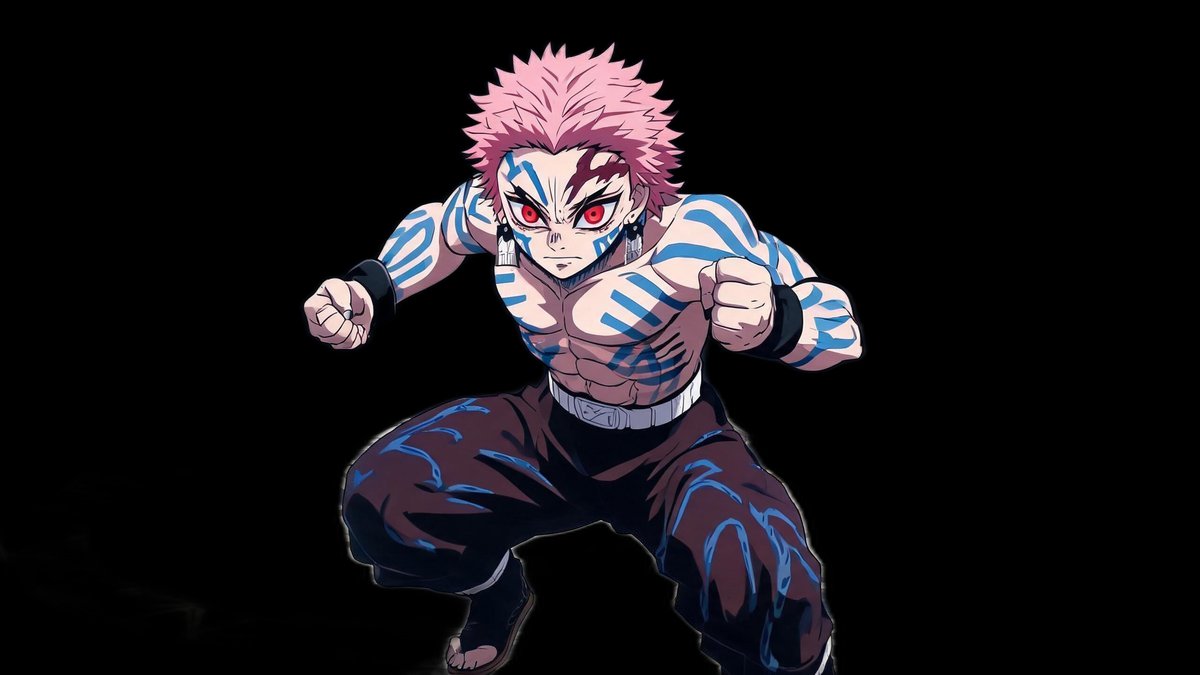
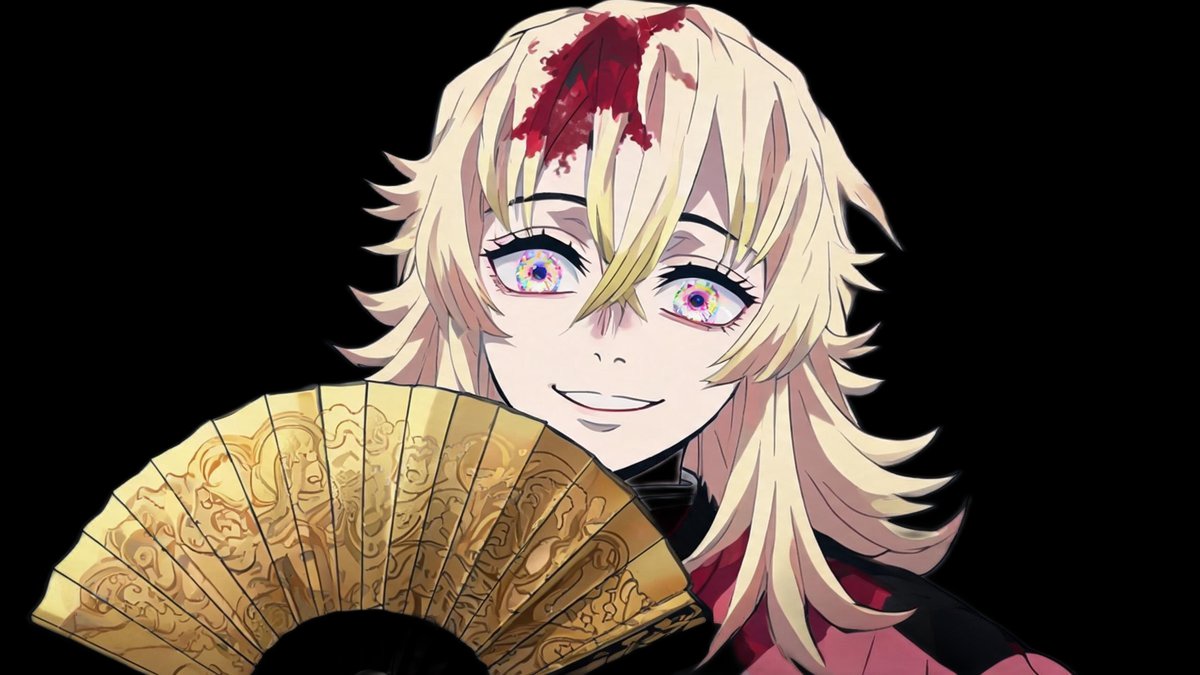
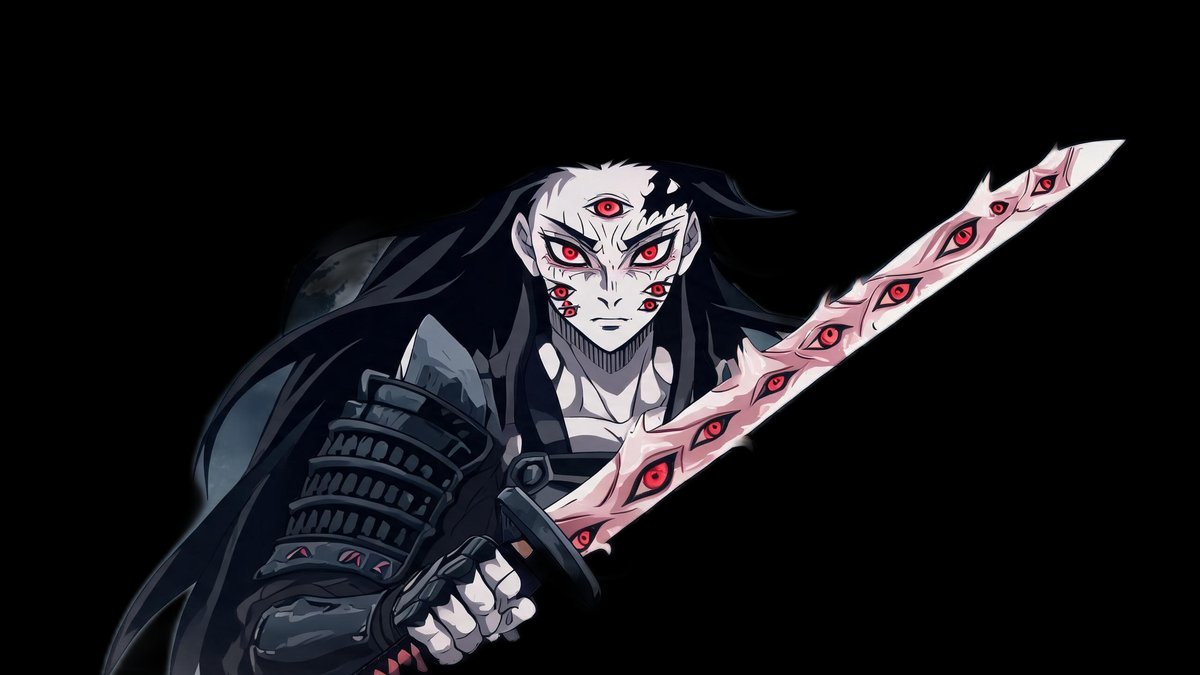
The Twelve Kizuki showcase the full spectrum of Blood Demon Art power. Kokushibo wields an art creating ethereal blade projections. Doma generates crystalline ice. Akaza's Destructive Death enhances his martial arts. Lower Rank demons like Enmu and Rui demonstrate creative applications of their unique abilities.
The variety across the demon hierarchy demonstrates the incredible creative potential of Muzan's curse, with each ability reflecting something fundamental about its user's personality and psychology.
The Upper Moons represent the most powerful Blood Demon Art users in existence. Kokushibo Moon Breathing generates blade-like projections that can attack from any angle. Doma Cryokinesis can freeze entire battlefields. Akaza Destructive Death creates shockwaves that shatter defenses from any distance.
Lower Moons also possess dangerous arts despite their lower ranking. Rui Thread Manipulation created blades sharp enough to cut through anything. The Hand Demon from the Final Selection mountain had developed a technique that specifically targeted the throat and neck of his victims.
Historical demons who are no longer active have left records of their Blood Demon Arts in Corps archives. These records provide valuable insights into the evolution of demon abilities over centuries and help current slayers prepare for arts they may encounter in future battles.
The diversity of Blood Demon Arts among notable users demonstrates that there is no single path to power. Each demon develops abilities that match their personality and combat preferences, creating a rich variety of fighting styles that keeps the Demon Slayer Corps constantly adapting.
The eternal conflict between the Demon Slayer Corps and Muzan's demons is fundamentally a clash between Breathing Styles and Blood Demon Arts. Breathing Styles are disciplined, learned techniques passed down through generations, while Blood Demon Arts are instinctual abilities born from transformation.
Hashira-level slayers have demonstrated that sufficient skill can overcome Blood Demon Arts centuries old. Sun Breathing appears to have unique properties that make it exceptionally effective against demon regeneration and Blood Demon Art constructs.
The fundamental difference between Blood Demon Arts and Breathing Styles lies in their origin. Blood Demon Arts derive from demonic power and Muzan blood, while Breathing Styles are human-developed techniques that enhance natural capabilities through controlled respiration and physical training.
In direct comparison, Blood Demon Arts generally offer more spectacular and varied effects than Breathing Styles. A demon can create ice storms or manipulate darkness, while a slayer techniques are limited to enhancing their sword strikes. However, Breathing Styles have the advantage of being learnable and teachable.
The interplay between Blood Demon Arts and Breathing Styles creates the dynamic combat that defines Demon Slayer battles. Slayers must use their Breathing Style techniques to counter and overcome supernatural abilities that would be impossible for ordinary humans to face.
The ultimate expression of this conflict is seen in battles between Hashira and Upper Moons. These high-stakes encounters demonstrate that while Blood Demon Arts provide supernatural advantages, the skill, determination, and strategic thinking of Breathing Style users can overcome even the most spectacular demonic abilities.
Blood Demon Arts are not static abilities; they evolve and grow more sophisticated as demons age and consume more human blood. Newly turned demons typically possess crude, unfocused abilities that require intense concentration to activate and have limited destructive power. Over years and decades of feeding, these abilities become more refined, gaining additional forms, increased range, and greater versatility. The evolution of a Blood Demon Art follows a trajectory similar to how human martial artists develop their skills, progressing from basic techniques to advanced applications through practice and experience.
The rate of Blood Demon Art evolution depends on several factors including how much human flesh the demon consumes, the quality of their victims, and their innate talent. Demons who consume large numbers of humans or particularly strong humans develop their abilities faster. Upper Moon demons, who have lived for centuries and consumed thousands of humans, have had ample time to refine their arts to near-perfection. Lower Moon demons, while still powerful, have not had the same opportunity for development and consequently possess less sophisticated abilities.
The evolution of a Blood Demon Art is not purely quantitative but qualitative as well. Older demons often develop secondary applications of their primary ability, creating versatile combinations that make them unpredictable in combat. For example, a demon whose primary art is ice manipulation might develop the ability to create ice clones, freeze the air to slow opponents, or generate protective ice armor. These secondary abilities emerge through creative experimentation and combat experience, making ancient demons exponentially more dangerous than their younger counterparts. For more on how demon abilities develop, consult the Blood Demon Art page on the Fandom Wiki and the Twelve Kizuki page on the Fandom Wiki.
The relationship between a demon's age and their Blood Demon Art sophistication explains why the Twelve Kizuki ranking system values seniority so heavily. Upper Moon demons have had centuries to develop their arts to levels that younger demons cannot match regardless of natural talent. This creates a power hierarchy where rank is determined primarily by accumulated power rather than potential. The gap between Upper Moon Six and Upper Moon One represents millennia of differential development, with each rank reflecting not just a difference in base power but a qualitative difference in the sophistication of their Blood Demon Art. Understanding this evolutionary process helps demon slayers assess the threat level of unfamiliar demons based on their apparent age and experience.