A comprehensive guide to the training methods used by the Demon Slayer Corps, from Total Concentration Breathing to specialized cultivator instruction.
The Demon Slayer Corps employs a diverse range of training methods, each designed to develop specific skills required for demon hunting. From traditional swordsmanship drills to innovative techniques developed by individual Hashira, the Corps' methodology has evolved over a thousand years.
Training methods are continuously refined based on battlefield experience. Techniques that prove ineffective against demons are discarded while successful approaches are incorporated into the standard curriculum. This evolutionary approach keeps the Corps' training relevant.
The training philosophy emphasizes progressive difficulty. Slayers master basic techniques before advancing to complex forms, building a solid foundation that supports advanced combat capabilities. Rushing through fundamentals is strongly discouraged.
Each training method has specific objectives and measurable outcomes. Slayers are regularly evaluated on their progress and assigned remedial training when they fail to meet standards. This systematic approach ensures consistent quality across all Corps members.
The diversity of training methods reflects the variety of combat situations slayers face. From one-on-one duels to group battles, from open-field combat to confined indoor fighting, the Corps prepares its members for every possible scenario.
The evolution of Demon Slayer training methods mirrors the evolution of the demons themselves. As demons grow more powerful and develop new abilities, the Corps must continuously adapt its training to prepare slayers for the threats they will face in the field.
The foundation of all Demon Slayer combat is basic swordsmanship. Beginners practice thousands of sword swings daily, developing muscle memory for the fundamental cuts used in their chosen breathing style. These drills are performed until the movements become instinctive without conscious thought.
Suburi, or shadow swinging, is practiced with progressively heavier swords to develop speed and power. Beginners start with lightweight wooden swords and gradually increase weight as their strength and technique improve. The heavy sword training develops the specific muscles needed for Nichirin blade combat.
Slayers also practice against wooden dummies and straw targets, gradually transitioning to combat against moving opponents. The basic drills are never abandoned, with even Hashira continuing to practice fundamentals daily to maintain their edge.
Cutting practice using rolled straw mats teaches proper blade angle and follow-through. Different mat densities simulate the varying resistance of demon flesh, helping slayers calibrate their cutting force for maximum effectiveness.
Footwork drills are integrated with sword practice from the very beginning. Slayers learn to coordinate their foot movements with their sword swings, developing the flowing movement patterns that characterize high-level Demon Slayer combat.
The emphasis on basic drills throughout a slayer's career serves an important psychological purpose. The familiar rhythm of fundamental practice provides stability and focus in a life filled with danger and uncertainty, helping slayers maintain their mental balance.
Breathing technique training begins with simple exercises that teach diaphragmatic breathing and proper oxygen utilization. Slayers learn to synchronize their breath with their movements, inhaling during preparation and exhaling during strikes for maximum power generation.
Advanced training involves maintaining the breathing pattern under extreme physical stress. Slayers practice their techniques while running, while lifting weights, and eventually while sparring against opponents. The goal is to make correct breathing automatic in any situation.
Total Concentration Constant is the ultimate goal of breathing training. Slayers train themselves to maintain enhanced breathing at all times, even during sleep. This requires conditioning the autonomic nervous system through dedicated practice over months or years.
Different breathing styles emphasize different breathing patterns. Water Breathing uses long, flowing breaths that match its fluid movements. Thunder Breathing uses sharp, explosive breaths. Flame Breathing uses powerful, sustained exhalations that fuel aggressive attacks.
Breathing technique training is never truly complete. Even the Hashira continue to refine their breathing through daily practice. The pursuit of perfect breath control is a lifelong journey for every serious Demon Slayer.
Breathing technique training includes exercises specifically designed for high-altitude combat. Many demon encounters occur in mountainous regions where oxygen is scarce, and slayers must be able to maintain their techniques even in thin air.
Combat simulation is essential for developing practical fighting skills. Slayers spar against each other using wooden swords, practicing techniques in controlled but realistic combat scenarios. These sessions allow slayers to test their skills against human opponents who think and adapt.
Higher-ranked slayers often spar against multiple opponents simultaneously to develop their ability to handle group combat. This training is particularly important because many demons employ minions or fight alongside other demons.
The Hashira occasionally participate in training sessions as instructors, demonstrating techniques and providing personalized feedback. Sparring against a Hashira is considered the ultimate training experience, exposing slayers to the speed and power required to face Upper Moon demons.
Sparring sessions are recorded and analyzed to identify weaknesses and areas for improvement. Slayers review recordings of their matches, studying their own movements and those of their opponents to refine their techniques.
The competitive aspect of sparring motivates slayers to continuously improve. Rankings and recognition within the Corps are influenced by performance in training sessions, providing additional incentive for dedicated practice.
Sparring sessions are structured to minimize injury risk while maximizing learning. Slayers wear protective equipment and follow strict safety protocols, though the intensity of training means minor injuries are still common during high-level practice sessions.
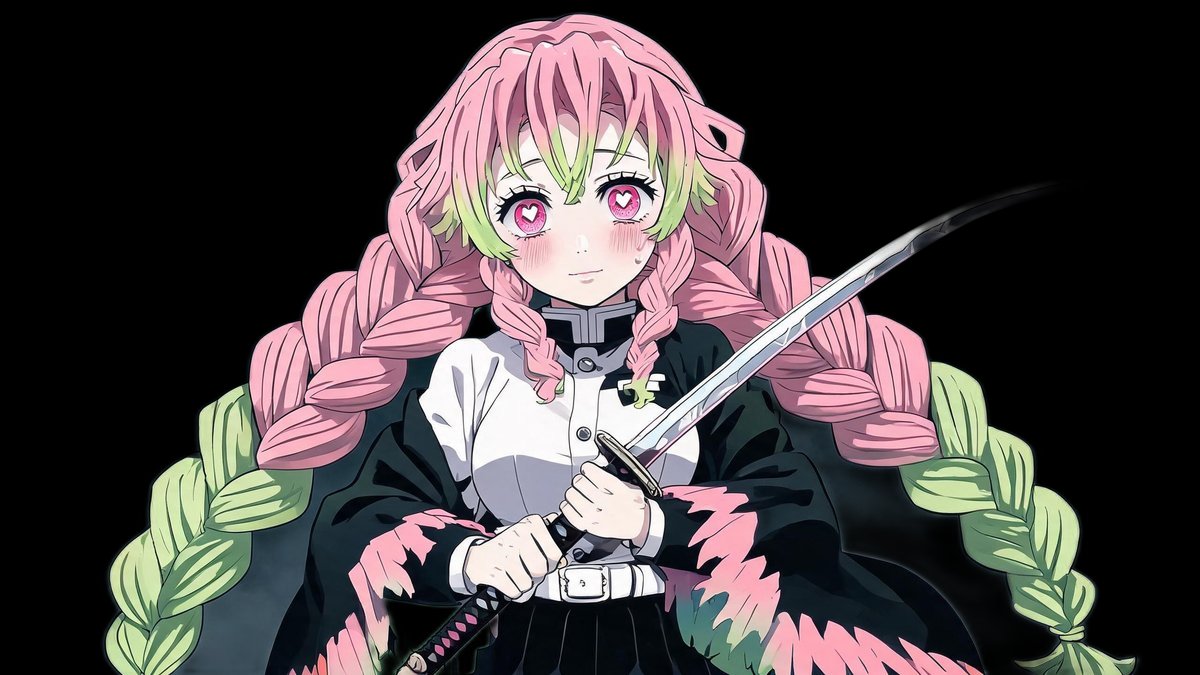
Each Hashira has developed specialized training programs that reflect their unique fighting style and philosophy. Gyomei Himejima's physical conditioning program emphasizes raw strength and endurance. Mitsuri Kanroji's flexibility training improves range of motion for unpredictable attacks.
Obanai Iguro's combat precision drills develop accuracy and control, teaching slayers to strike vital points with surgical precision. His training emphasizes efficiency, teaching that every movement must serve a purpose in combat.
Sanemi Shinazugawa's combat readiness training involves live-fire exercises where slayers face actual danger. His brutal approach pushes slayers to overcome their deepest fears and develop the reflexes needed for life-or-death combat.
Muichiro Tokito's technique refinement focuses on efficiency and economy of motion. He teaches slayers to eliminate wasted movements from their techniques, making each strike faster and more difficult to predict or counter.
The availability of such diverse specialized training ensures that every slayer can find instruction that matches their learning style and combat preferences. Slayers are encouraged to train under multiple Hashira to develop well-rounded capabilities.
The Hashira periodically rotate their training responsibilities to ensure that all slayers benefit from exposure to different teaching styles. This rotation prevents stagnation and ensures that slayers develop well-rounded capabilities rather than becoming specialists in only one area.
The most important training happens in the field. New slayers are assigned to progressively dangerous missions, starting with low-risk demons and advancing to more powerful adversaries. Each mission provides real combat experience that cannot be replicated in training exercises.
Surviving slayers learn to read demon behavior, adapt their techniques to different Blood Demon Arts, and develop the situational awareness essential for survival. The unpredictability of real combat forces slayers to think creatively and trust their training.
Field experience is weighted heavily in promotion decisions. Slayers who demonstrate consistent effectiveness in real combat are promoted faster than those who excel only in training. The Corps values proven battlefield capability over theoretical knowledge.
Senior slayers often mentor junior members during field missions, providing real-time guidance and support. This apprenticeship system ensures that practical knowledge is passed down through generations of Demon Slayers.
After each mission, slayers participate in debriefing sessions where they analyze their performance and identify lessons learned. This continuous improvement cycle ensures that every mission contributes to the slayer's long-term development.
Field training includes instruction in demon tracking and identification. Slayers learn to read signs of demon activity, identify different demon species by their characteristic markings, and estimate the threat level of an unknown demon before engaging in combat.
Demon Slayers must be proficient with various equipment beyond their primary sword. Training includes the use of Nichirin weapons in different configurations, understanding the properties of different blade types, and maintaining equipment in field conditions.
The Kakushi support corps provides specialized training in non-combat skills including first aid, navigation, and communication. These skills are essential for survival in remote areas and during extended missions away from Corps facilities.
Slayers also receive training in identifying and using wisteria-based weapons, including poisoned blades and chemical deterrents. Knowledge of demon weaknesses beyond sunlight and Nichirin blades can provide critical advantages in combat.
Equipment maintenance is a key part of training. Slayers learn to sharpen their blades, repair minor damage, and recognize when a blade needs professional attention from the Swordsmith Village. Proper care significantly extends weapon life.
Advanced training includes instruction in specialized equipment like the modified firearms used by Genya Shinazugawa. While not all slayers adopt such unorthodox weapons, understanding their capabilities helps in coordinating mixed-weapon tactics during group missions.
Knowledge of equipment maintenance and repair is essential for slayers on extended missions far from Corps facilities. Basic sharpening, handle repair, and emergency blade reinforcement are skills that every slayer must master before advancing beyond the lowest ranks.