Upper Moon Ranking Guide
HierarchyThe Twelve Kizuki system, how demons rise through the ranks, and Muzan's blood hierarchy.
Pro Tip: The Upper Moons are ranked 1 through 6 with positions determined by raw strength.
Category: Upper Moons
The Twelve Kizuki system, how demons rise through the ranks, and Muzan's blood hierarchy.
Pro Tip: The Upper Moons are ranked 1 through 6 with positions determined by raw strength.
Category: Upper Moons
The Twelve Kizuki are Muzan Kibutsuji's most powerful direct subordinates, composed of six Upper Moons and six Lower Moons ranked by strength. This elite group serves as the primary antagonists of the Demon Slayer Corps, with each member possessing a unique Blood Demon Art refined over centuries of existence.
The Upper Moons, in particular, represent the pinnacle of demon evolution. Each has received significant amounts of Muzan's blood and has survived for centuries, accumulating combat experience and perfecting their abilities. The hierarchy is strictly maintained through ranked combat, with lower-ranked demons challenging higher-ranked ones when they believe they have surpassed them.
The Twelve Kizuki represent Muzan most powerful servants, divided into the Upper and Lower Moons. This elite group serves as the primary military force of the demon hierarchy, with each member commanding territories and demon subjects of their own. Their power varies dramatically between ranks, with Upper Moons being exponentially more powerful than Lower Moons.
The Twelve Kizuki, consisting of six Upper Moons and six Lower Moons, represent the elite of Muzan demon army. Each member has received significant amounts of Muzan blood and has proven their value through combat effectiveness or unique abilities that serve Muzan interests.
The hierarchy within the Twelve Kizuki is based entirely on power, with position determined by combat capability. This meritocratic system ensures that the most powerful demons hold the highest ranks, though the stability of the upper ranks suggests that power gaps are enormous.
Muzan maintains control over the Twelve Kizuki through a combination of blood-based compulsion and psychological manipulation. Each member is bound to his will through the demonic connection established during their transformation, though some have developed varying degrees of independence over centuries.
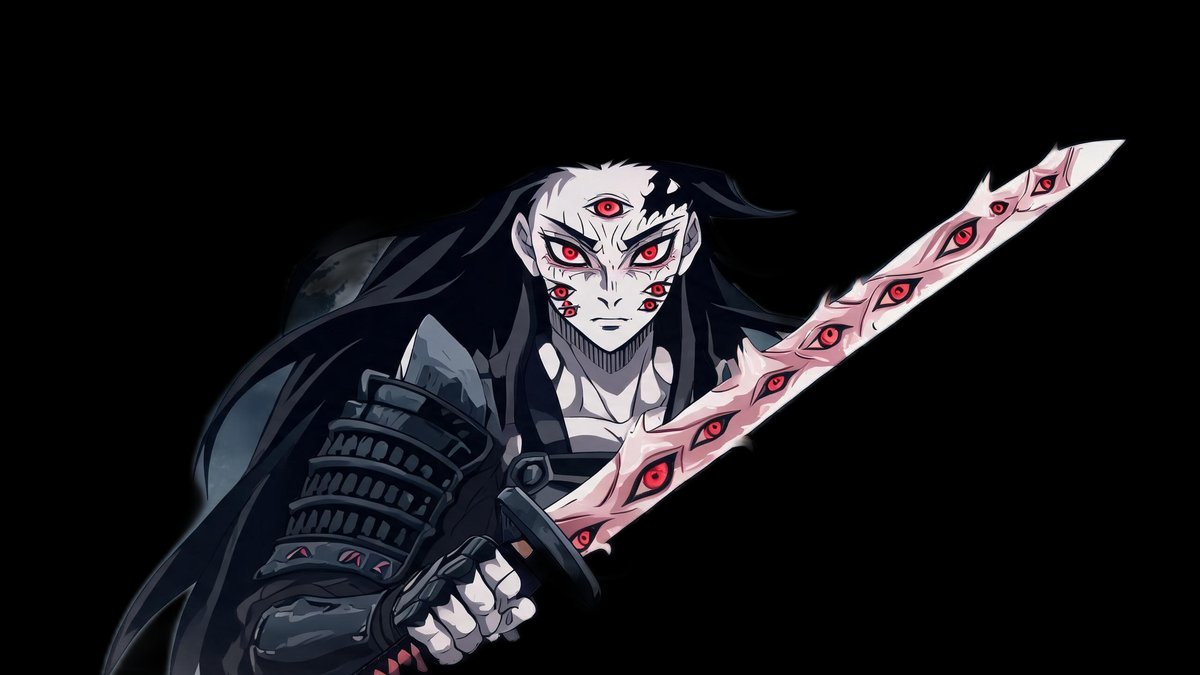
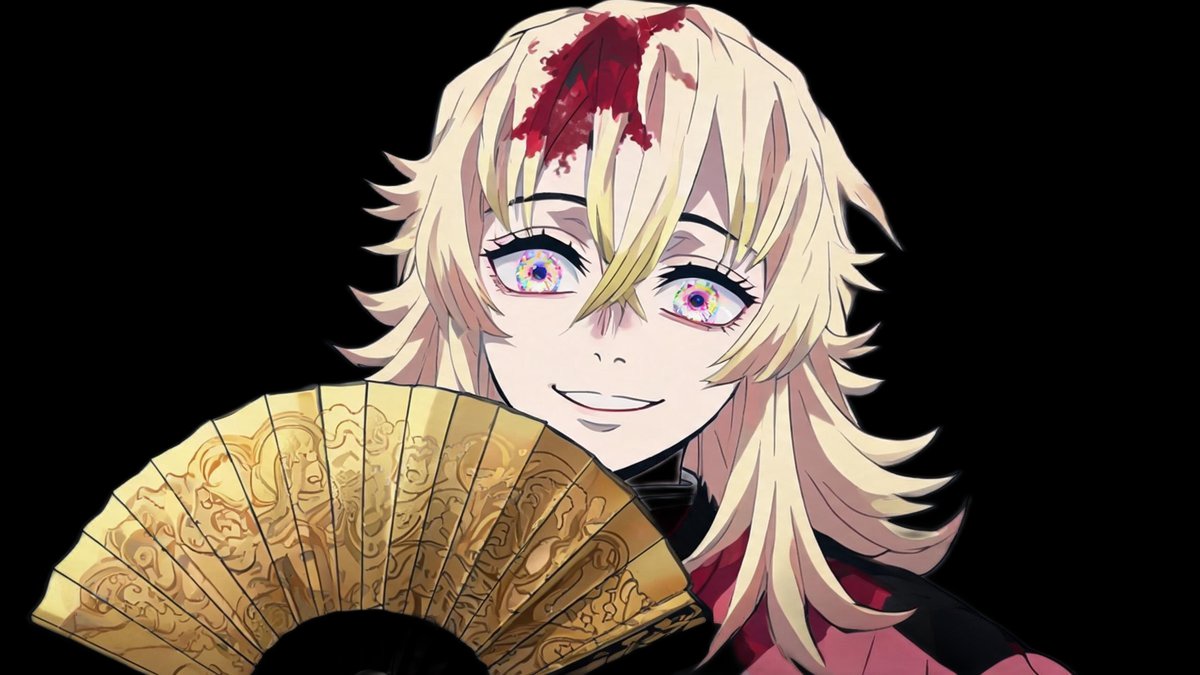
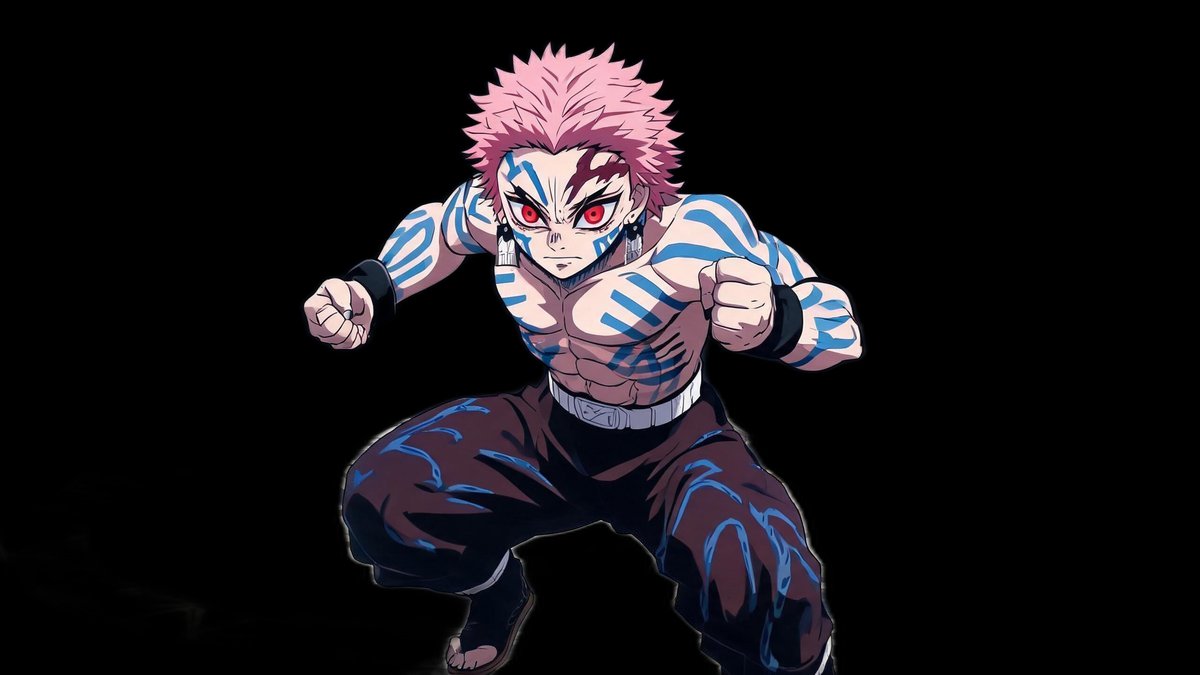
The six Upper Moons are ranked from One to Six in descending order of power. Kokushibo holds the position of Upper Moon One, followed by Doma as Upper Moon Two, Akaza as Upper Moon Three, and continuing down to Upper Moon Six, which was held by Gyutaro and Daki as a unique sibling pair.
The gap between Upper Moon ranks is significant. Upper Moon One could defeat multiple Upper Moons of lower ranks simultaneously. This hierarchy was established through centuries of challenges and confirmed by Muzan himself. Unlike the Lower Moons, whose ranks shifted frequently, the Upper Moons remained remarkably stable, with the same members holding their positions for extended periods.
The Upper Moon hierarchy has remained remarkably stable over centuries, with the same six demons holding their positions for generations. This stability reflects the enormous power gap between ranks, making it nearly impossible for lower-ranked demons to challenge and defeat Upper Moon members.
The Upper Moon hierarchy has remained remarkably stable, with the same six demons holding their positions for centuries. This stability demonstrates the enormous power gap between Upper Moons and other demons, making it nearly impossible for challengers to rise through combat.
The specific rankings within the Upper Moons have changed occasionally, typically when a member is killed and replaced. Doma rose to Upper Moon Two after the previous holder was eliminated, and Akaza similarly earned his position as Upper Moon Three through combat.
The stability of the Upper Moon hierarchy also reflects Muzan satisfaction with their performance. He has not felt the need to reorganize or eliminate Upper Moons as he periodically does with the Lower Moons, indicating that they consistently meet his expectations.
Kokushibo was the undisputed strongest demon after Muzan himself. His Moon Breathing technique, combined with centuries of combat experience and the Transparent World ability, made him capable of fighting multiple Hashira simultaneously. He had served as Upper Moon One for over four centuries.
His blade projection ability gave him unparalleled offensive reach, while his mastery of the Transparent World allowed him to predict and counter any attack. Kokushibo's power was so great that three Hashira were barely enough to hold him at bay, and victory required not just combat skill but Kokushibo's own psychological collapse.
Kokushibo position as Upper Moon One was unchallenged for centuries, reflecting his overwhelming power. His Moon Breathing technique, combined with his centuries of combat experience and his connection to the Tsugikuni bloodline, made him the most formidable demon below Muzan himself.
Kokushibo position as Upper Moon One has been secure for centuries due to his overwhelming power. As the twin brother of Yoriichi Tsugikuni and a former Demon Slayer himself, he possesses combat knowledge and experience that no other demon can match.
His Moon Breathing technique, combined with his ability to generate blade projections from his flesh, makes him effective against any opponent regardless of their fighting style. His centuries of experience have refined his techniques to near-perfection.
Kokushibo loyalty to Muzan is somewhat unique among the Upper Moons. Unlike demons who serve out of fear or obligation, Kokushibo choice to become a demon was voluntary, and his centuries of service reflect a genuine commitment to Muzan cause.
Upper Moon Two, Doma, wielded devastating cryokinesis that could freeze opponents instantly. His emotional emptiness made him unpredictable and immune to psychological manipulation. Upper Moon Three, Akaza, relied on martial arts enhanced by his Destructive Death Compass, which could predict enemy attacks.
Upper Moon Four had two members during the series: Hantengu, who could create emotion-based clones, and later Nakime, who controlled the Infinity Castle's spatial warping. Upper Moon Five, Gyokko, manipulated water and created demonic potions. Each Upper Moon specialized in a unique combat style that required specific counter-strategies.
Upper Moon Two Doma and Upper Moon Three Akaza maintained their positions through raw power and centuries of experience. Upper Moon Four has seen multiple replacements as the position changed hands several times during the series, demonstrating that the lower end of the Upper Moon ranks is more vulnerable to challenge.
Upper Moon Two Doma ability to generate and control ice makes him one of the most versatile fighters in the demon hierarchy. His techniques cover offense, defense, and environmental control, making him effective in any combat scenario.
Upper Moon Three Akaza martial arts mastery combined with his Destructive Death technique creates a fighting style that is both technically refined and devastatingly powerful. His Compass Needle technique gives him a significant tactical advantage in combat.
Upper Moon Four has been held by multiple demons during the series, with Nakime eventually taking the position after the deaths of previous holders. The frequency of changes at this rank suggests that the lower end of the Upper Moon hierarchy is more competitive and dangerous.
Upper Moon Five, Gyokko, was a demon artist whose Blood Demon Art allowed him to create aquatic constructs and transform his body into grotesque but powerful forms. His arrogance and obsession with aesthetic beauty made him underestimate opponents who did not appreciate his art.
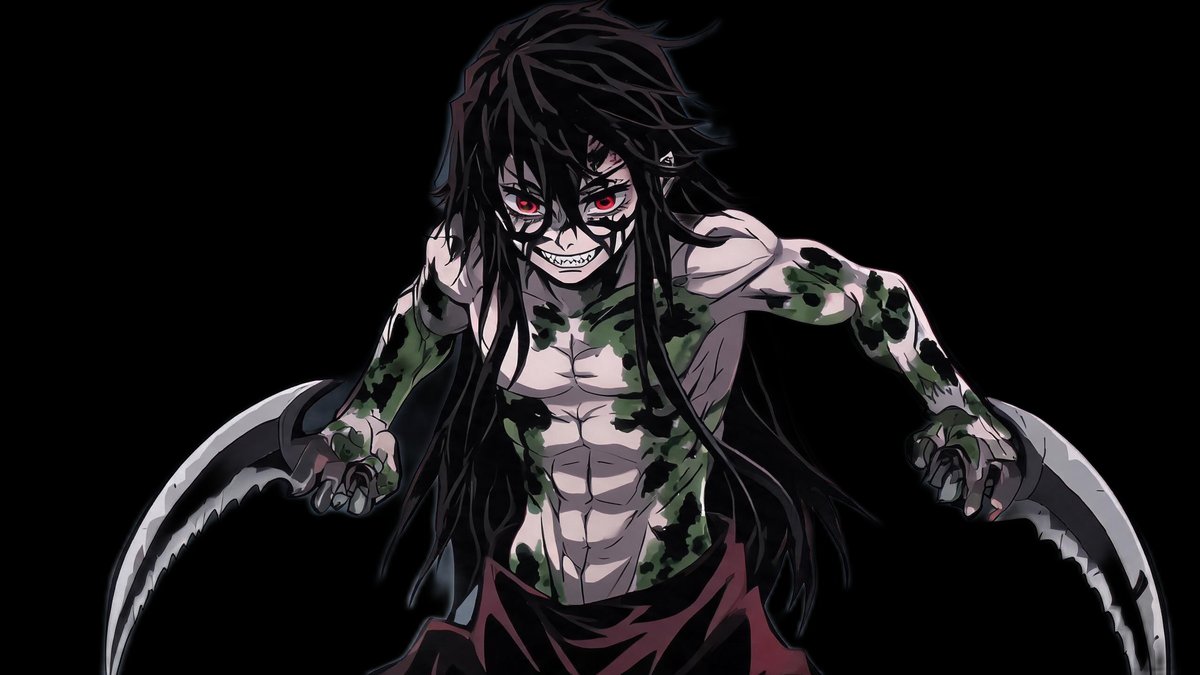
Upper Moon Six was uniquely held by two demons simultaneously: Gyutaro and Daki. Siblings in both human and demon life, they shared the rank and fought as a coordinated team. Gyutaro's blood blade techniques and Daki's obi sash manipulation created a combined offensive that required slayers to defeat both simultaneously to achieve victory. Their bond made them stronger together than either would be alone.
Upper Moon Five and Six represent the entry level of the Upper Moon ranks, but this should not diminish their threat level. Both Gyokko and Daki/Gyutaro possessed abilities that could defeat most Demon Slayers, and their position at the bottom of the Upper Moon hierarchy reflects the extraordinary power of those ranked above them.
Upper Moon Five Gyokko ability to manipulate water-based demonic energy creates versatile attack patterns that can adapt to different combat situations. His techniques can switch between precise strikes and area-of-effect attacks as needed.
Upper Moon Six Daki and Gyutaro shared position is unique in the Twelve Kizuki. As siblings sharing a single Upper Moon rank, they fight as a coordinated team whose combined power exceeds what either could achieve alone. Their shared consciousness makes them exceptionally difficult to defeat.
The position of Upper Moon Six has seen more turnover than any other Upper Moon rank, with the holders changing multiple times during the series. This instability at the bottom of the Upper Moon hierarchy reflects the intense competition among demons aspiring to rise in rank.
The Lower Moons served as the second tier beneath the Upper Moons, significantly weaker but still dangerous. Their ranks changed more frequently due to deaths from slayer attacks and internal challenges. Muzan famously disbanded the Lower Moons after their failure against the Demon Slayer Corps, executing all remaining members except Enmu.
After the Lower Moon dissolution, the Demon Slayer Corps faced only the Upper Moons in direct combat. This restructuring demonstrated Muzan's ruthlessness and his willingness to eliminate any subordinate he considered insufficient. The hierarchy system ensured that only the strongest demons survived to serve him directly.
The Lower Moons serve a different function in the demon hierarchy than the Upper Moons. While Upper Moons are generals commanding entire regions, Lower Moons are field officers who lead smaller operations and serve as a testing ground for promising demons who may eventually rise to Upper Moon status.
The Lower Moons serve a different tactical function than the Upper Moons. While Upper Moons operate as independent commanders controlling large territories, Lower Moons are deployed for specific missions under direct orders from Muzan or upper-ranked demons.
Muzan periodic purges of the Lower Moons reflect his low tolerance for failure. He eliminated most of the Lower Moons after Rui defeat, demonstrating that substandard performance is not tolerated regardless of past service.
The Lower Moons also serve as a talent pool from which future Upper Moons may be selected. Demons who distinguish themselves in Lower Moon positions may be elevated if an Upper Moon position becomes vacant, creating a path for advancement within the Twelve Kizuki.
Each Upper Moon's Blood Demon Art reflects their personality and fighting philosophy, creating a diverse range of abilities across the hierarchy. Kokushibo's Moon Breathing generates crescent-shaped blade projections that can be layered in devastating combinations, its complexity reflecting centuries of dedicated practice. Doma's cryokinesis allows him to create ice structures, freezing mist, and crystalline weapons, his abilities as cold and detached as his personality. Akaza's Destructive Death techniques focus on shockwaves and fighting spirit detection, his martial arts perfection matching his obsessive pursuit of strength.
The middle-ranking Upper Moons demonstrate increasing specialization in their Blood Demon Arts. Upper Moon Four's abilities allow him to split into multiple bodies, each representing different aspects of his personality and combat approach. Upper Moon Five's ceramic-based powers reflect his artistic background, creating weapons and armor from hardened clay-like substances. Gyutaro's blood-slashing techniques and Daki's obi manipulation as Upper Moon Six represent a symbiotic pairing where each sibling's abilities complement the other's weaknesses, creating a combined threat greater than the sum of its parts.
What distinguishes Upper Moon Blood Demon Arts from Lower Moon abilities is not just raw power but refinement and versatility. Upper Moons have had centuries to perfect their techniques, developing multiple forms and applications that allow them to adapt to any combat situation. Their arts often have secondary effects beyond direct damage, such as Kokushibo's ability to read opponents' movements through the Transparent World or Akaza's Compass to the Soul that detects fighting spirit. This versatility makes Upper Moons exponentially more dangerous than Lower Moons, as they can counter almost any strategy a Demon Slayer might employ against them.